
Grow a Forest.

While It Still Matters.

Real trees. Native species. Built for heat, drought, and what’s coming next.
GREENPOP creates small, fast-growing native forests using the Miyawaki method—turning exposed land into shade, water retention, and living systems in years, not decades.
We plant with purpose, document every site, and invite people to take part—from first soil to full canopy.

I REMEMBER SEEING GREEN

Years ago, flying from Miami to La Paz, I looked out of the window and saw something I had never really seen before.
Rainforest. Not isolated trees. Not interrupted landscapes. Not the broken geometry of human development. Just green.
An endless living surface stretching beyond perception, dense, humid, almost planetary. The kind of view that disconnects you from ordinary consciousness.
It was not scenery. It felt closer to a spell, or a memory buried somewhere deep in the human mind. A glimpse of the world before we separated ourselves from it.
For a moment, the planet no longer felt like background.
It felt alive. Vast. Breathing. Continuous. Almost impossible.

WHAT GREENPOP DOES

From Empty Land to Living Forest

A practical reforestation model for a hotter Thailand

We identify suitable land, restore the soil, and plant dense clusters of native species selected for long-term resilience.
Each GREENPOP site is designed to become a self-sustaining micro-forest—cooler, wetter, and biologically active.
The method is simple: plant densely, plant diversely, and let nature take over.
Within 24–36 months, exposed ground becomes layered forest—creating shade, holding water, and shifting the local climate, one site at a time.

THE MIYAWAKI METHOD

Why Miyawaki? Because time is no longer optional.

High-Density Planting

Trees are planted close together to accelerate growth and natural competition—compressing decades into years.

Native Species Only

Trees are planted close together to accelerate growth and natural competition—compressing decades into years.

Soil Comes First

The ground is restored before planting, giving the forest a real chance to establish fast.

The Miyawaki method accelerates forest growth by mimicking natural succession. The result is a dense, resilient forest that establishes quickly and requires minimal intervention after its early phase. We adapt the method to Thai conditions—working with local nurseries, local knowledge, and real constraints on the ground.

A surprisingly small percentage of restored native forest could radically alter ecological outcomes.

Dr.Akira Miyawaki

PILOT PROJECTS

Real Sites Real Progress

GREENPOP begins by planting and documenting microforests using the Miyawaki method. Built in real conditions, these forests establish quickly, grow densely, and evolve over time. Each site shows what is possible when the method is applied with care, local knowledge, and long-term vision.
Ancestral Forest - One Year Later

Built in collaboration with SUGi and Wonderfruit in Thailand.

One year after planting, the forest has already begun forming its own structure, dense growth, layered vegetation, rising biodiversity, and visible canopy development.

What once looked fragile and temporary now behaves like a living system.

This is the speed and potential of native high-density reforestation when climate, soil, and species work together.

Planting the Future

Volunteers, local growers, nursery teams, and ecological planners are planting thousands of native trees together in Pattaya.

The seedlings came from our nursery.
The species were selected for long-term resilience and biodiversity.
The labor was collective.

What looks fragile here will eventually become dense canopy, shade, habitat, moisture, and living soil.

Native Species, Native Knowledge

Meet Ui, part of the GREENPOP nursery team and one of the people helping turn ecological theory into living forests.

Behind every planting site is a quieter system of preparation: mapping, seed collection, propagation, species selection, transport, and thousands of young native trees waiting for the right conditions.

Restoration starts here , one seedling at a time.

The First Layer

Thousands of native seedlings were planted densely across the site using the Miyawaki method — creating immediate competition, accelerated growth, and the foundation for a self-sustaining ecosystem.

At this stage, the landscape still feels exposed, almost temporary. But beneath the surface, the biological systems are already beginning to organize themselves.

Forests Within Forests

At Wonderfruit, new microforests continue to emerge while earlier planting zones are already becoming dense, living ecosystems.

In a single frame, you can see two moments in the lifecycle of restoration:
young forests being planted,
and young forests are already beginning to behave like nature.

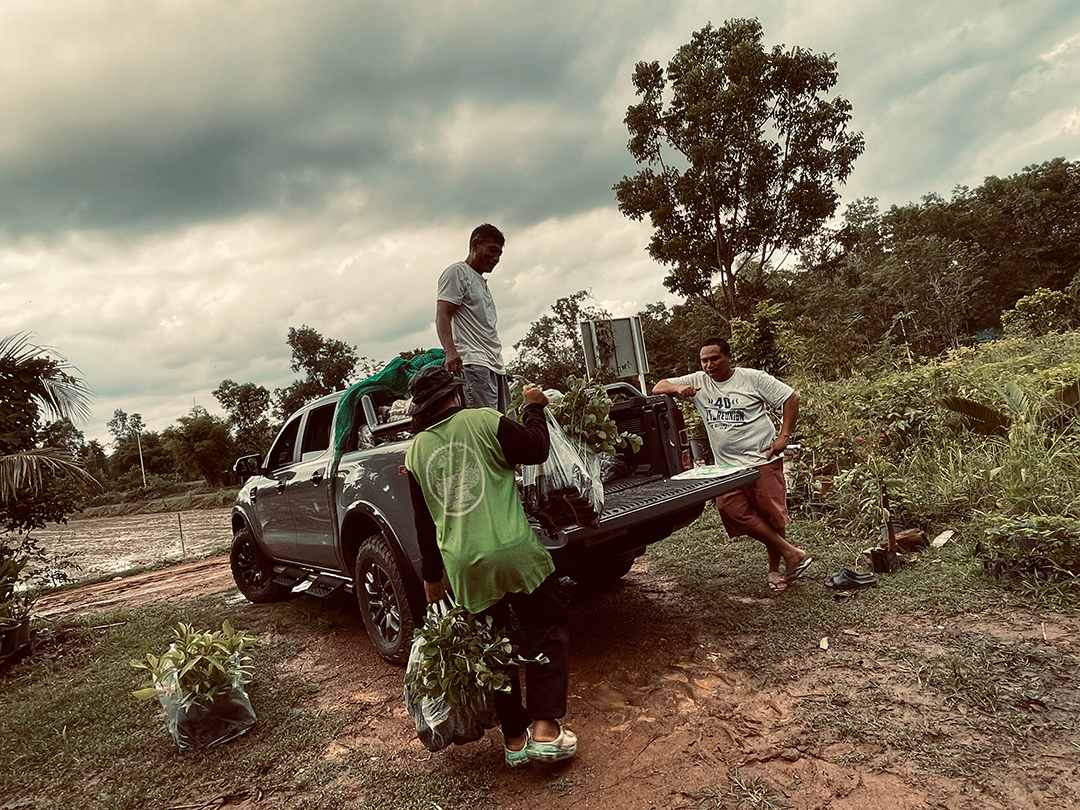
Loading the first 3,000 native trees from Pong’s nursery for planting on our own land in central Thailand.

The beginning of a forest often looks deceptively ordinary:
soil, trucks, rain clouds, seedlings.

Native Species Nursery

Growing Forests Starts Earlier Than Planting

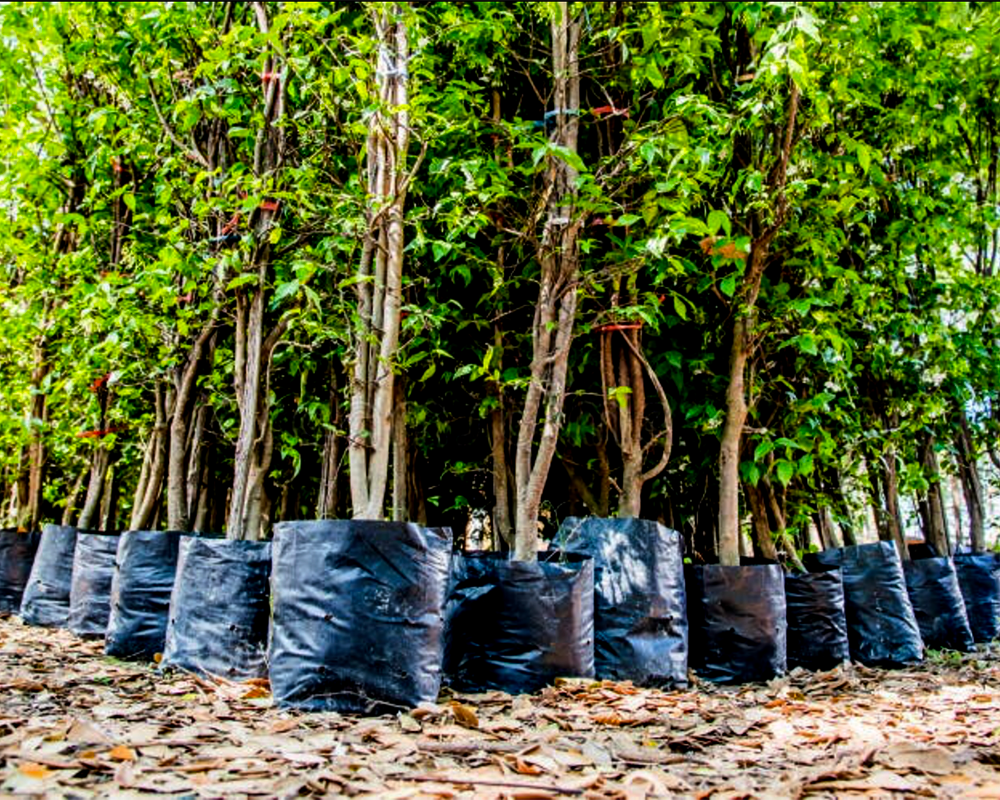
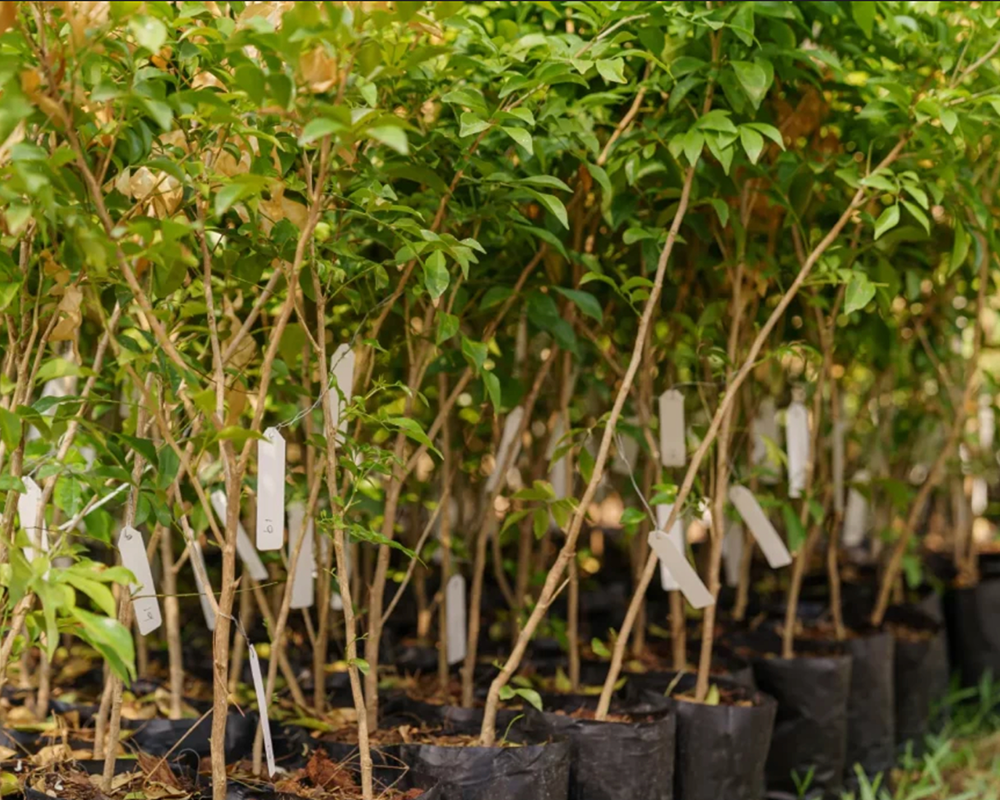
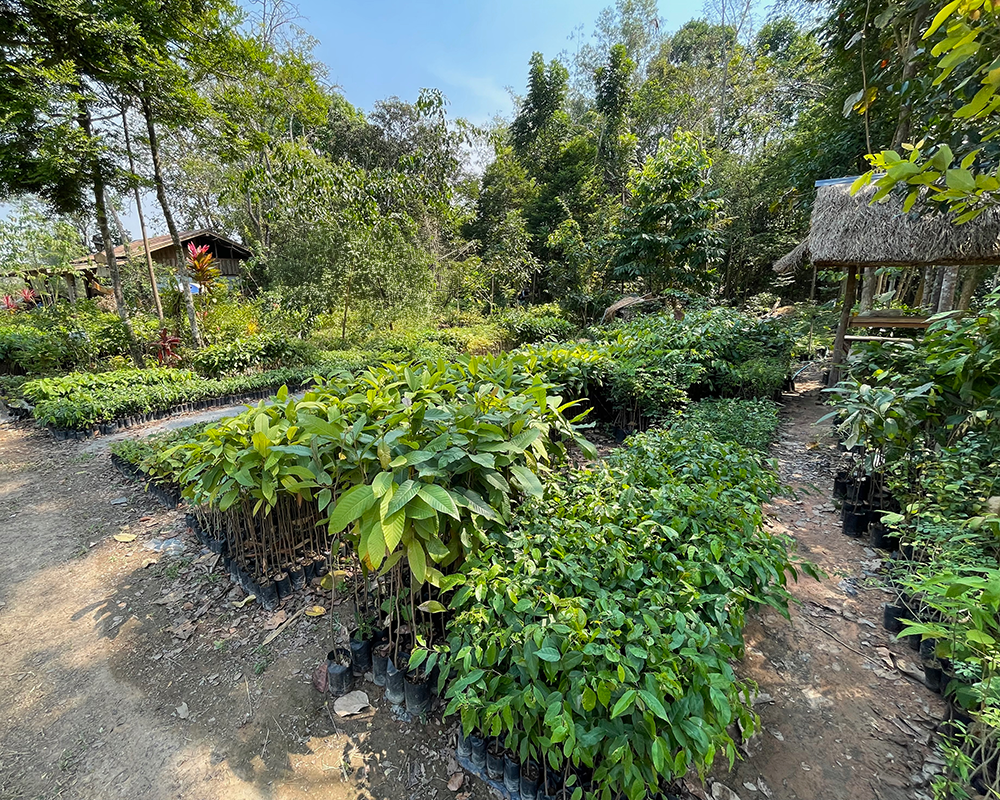
GREENPOP operates its own native-species nursery in Thailand, currently cultivating 65 indigenous tree species adapted to local conditions.
The nursery forms the ecological backbone of the project, from seed collection and species selection to propagation and long-term forest planning.
Working directly with native species allows us to build forests designed for resilience, biodiversity, and real environmental conditions on the ground.
This is not imported ecology. It is grown here.

Our Impact in Numbers

Discover the tangible results of our reforestation efforts and the positive change we're making for the planet.

Trees Planted

Communities Engaged

Hectares Restored

Volunteers Involved

Explore Our Shop

GREENPOP operates its own native-species nursery in Sanam Chai Khet, a district in the eastern part of Chachoengsao province in central Thailand. Here, we cultivate a growing collection of indigenous trees, shrubs, and forest species adapted to local conditions. The nursery forms the living foundation of our reforestation work, supplying carefully selected species for Miyawaki forests and ecological restoration projects.

The Miyawaki method relies on diversity. Forests are not built from individual trees but from communities of species working together. Our nursery supports this approach by growing native plants that contribute to long-term resilience, biodiversity, and ecological balance.

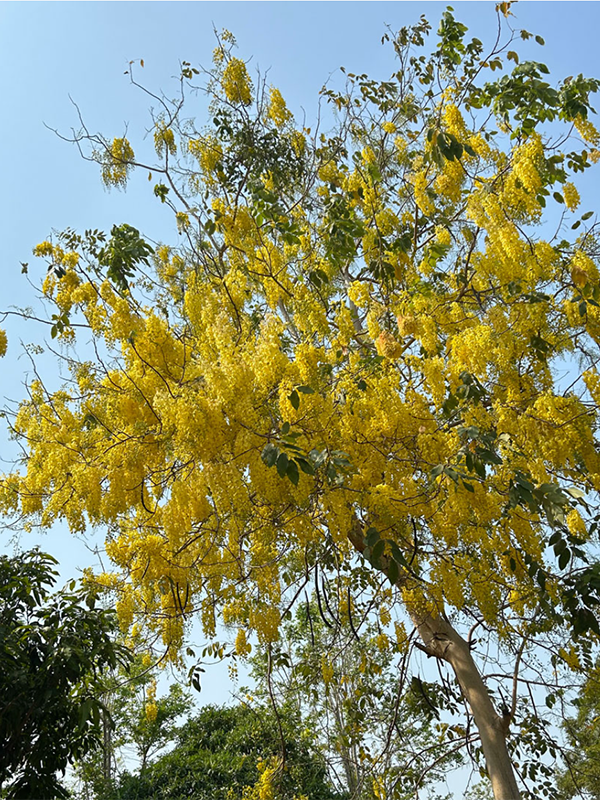
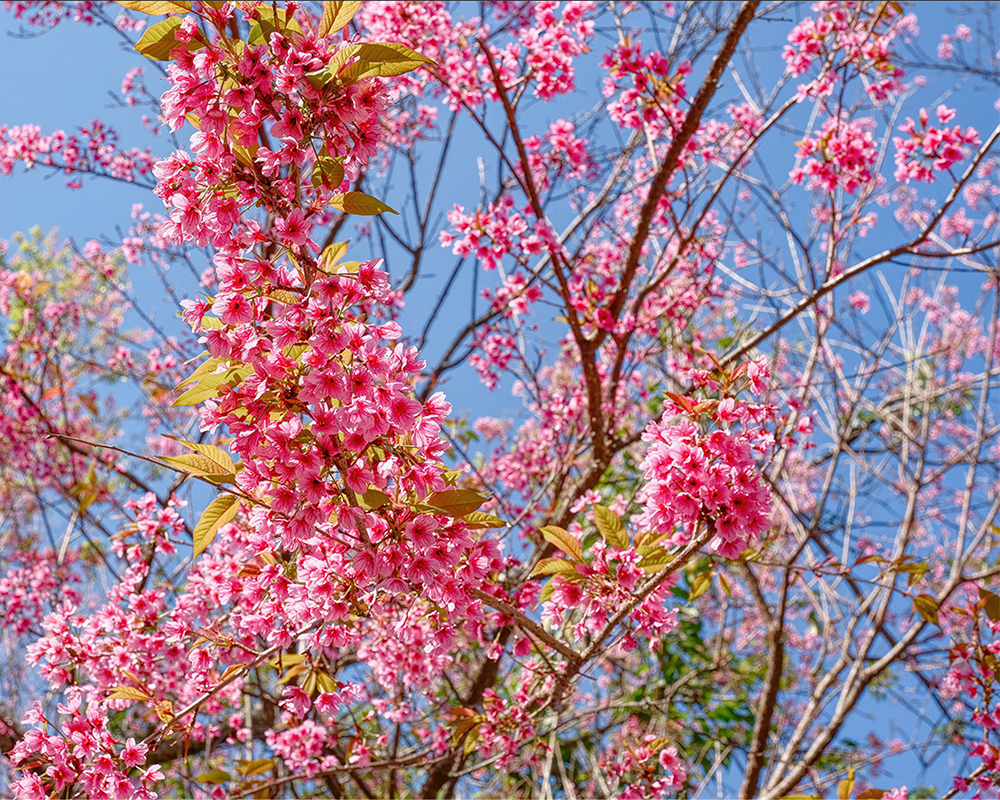
But forests are only part of the story. Alongside native reforestation species, we continue to expand our collection of flowering trees, shade trees, ornamental species, and unusual specimens that enrich landscapes while supporting wildlife and local ecosystems.

Our long-term vision is to build one of the region's most interesting living collections, bringing together native species and carefully selected trees from around the world. Every forest starts with a seedling. Every seedling starts here.
GROW A FOREST

Whether you're a landowner, school, business, community group, volunteer, or future sponsor, there are many ways to support reforestation.

GREENPOP combines local knowledge, native species, and the Miyawaki method to create forests that grow quickly, strengthen biodiversity, and reconnect people with nature.

We're building one forest at a time. We'd love your help with the next one.